In the bustling commercial hub of Parramatta NSW, maintaining an optimal indoor environment is not just about comfort; it's a critical factor for productivity, employee well-being, and operational efficiency. As we navigate 2025, the demands on office air conditioning systems are higher than ever, driven by advancements in technology, stricter environmental regulations, and a heightened awareness of indoor air quality. Ensuring your office AC system is running efficiently and reliably requires more than just occasional attention; it demands adherence to specific service requirements and industry standards.
This comprehensive guide delves into the essential aspects of office air conditioning service, covering everything from routine maintenance to compliance and future trends. For businesses in Parramatta, understanding these requirements is key to preventing costly breakdowns, extending the lifespan of your equipment, and ensuring a healthy, comfortable workspace.
The Critical Role of Office Air Conditioning in Parramatta
Parramatta experiences distinct seasons, with often scorching summers and surprisingly chilly winter mornings. An effective air conditioning system is therefore indispensable for any office. Beyond merely regulating temperature, a well-maintained system contributes significantly to:
- Employee Comfort and Productivity: Extreme temperatures can lead to discomfort, fatigue, and decreased concentration, directly impacting work output. Health and Well-being: Proper ventilation and filtration reduce the circulation of allergens, dust, and airborne pathogens, fostering a healthier environment. This is especially crucial in 2025, with ongoing emphasis on workplace health standards. Asset Protection: Stable temperatures and humidity levels protect sensitive electronic equipment and office furniture from damage. Energy Efficiency: A finely tuned system consumes less energy, leading to lower utility bills and a reduced carbon footprint, aligning with contemporary corporate social responsibility goals.
Understanding Air Conditioning Service Requirements
To keep your office air conditioning system performing at its peak, a structured approach to service is paramount. This involves regular preventative measures, timely repairs, and an understanding of the regulatory landscape.
Regular Maintenance Schedules
Proactive air conditioner maintenance is the cornerstone of reliable operation. Depending on the system type, usage intensity, and the specific Parramatta environment (e.g., proximity to construction dust or high traffic areas), service schedules typically range from quarterly to annually. For high-traffic commercial offices, quarterly checks are often recommended to catch minor issues before they escalate.
A typical scheduled air conditioning service visit involves a thorough inspection and adjustment of various components. This isn't just about cleaning; it's about optimizing performance and identifying potential points of failure. Timely air conditioner maintenance can save you significant money in the long run by preventing major breakdowns and extending the life of your unit.
Compliance with Australian Standards and Regulations
Operating commercial air conditioning in Australia, and specifically in NSW, requires adherence to several critical standards and regulations. In 2025, these standards are continually evolving to promote safety, environmental protection, and energy efficiency:
AS/NZS 3666: Air-handling and water systems of buildings – Microbial control: This standard is vital for preventing the growth and dissemination of microorganisms (like Legionella) within air conditioning and water systems. Regular cleaning and inspection of coils, drain pans, and cooling towers are essential for compliance. Work Health and Safety (WHS) Act 2011 (NSW): Employers have a duty of care to provide a safe working environment, which includes maintaining adequate indoor air quality and safe operating equipment. Poorly maintained AC systems can pose health risks or electrical hazards. Refrigerant Handling Regulations (ARC Licence): Technicians handling refrigerants must hold an ARC (Australian Refrigeration Council) licence. As of 2025, there's an increased focus on the responsible management and phase-down of high global warming potential (GWP) refrigerants, such as certain HFCs, in line with international agreements. Any air conditioning repair involving refrigerant must be performed by a licensed professional. National Construction Code (NCC) and BCA (Building Code of Australia): These codes specify requirements for energy efficiency, ventilation, and fire safety for new air conditioning installation projects and major retrofits.Staying compliant with these regulations is not just a legal obligation but also a vital aspect of responsible business operation in Parramatta.
Energy Efficiency and Sustainability
With rising energy costs and a greater emphasis on environmental stewardship, energy efficiency is a top priority for Parramatta businesses in 2025. Modern air conditioning systems come with impressive energy ratings, and proper air conditioner maintenance is crucial to sustaining these efficiencies over time.
Building owners and tenants are increasingly looking at NABERS (National Australian Built Environment Rating System) ratings for their commercial properties. A well-maintained and efficient HVAC system directly contributes to a higher NABERS rating, enhancing property value and attractiveness. Smart AC systems, integrated with building management systems (BMS) and IoT sensors, are becoming standard, allowing for precise climate control, predictive maintenance, and significant energy savings.
Key Components of a Comprehensive Air Conditioning Service
A thorough air conditioning service goes beyond a quick check. It involves a systematic approach to ensure every part of your system functions optimally.
Preventative Maintenance Checklist
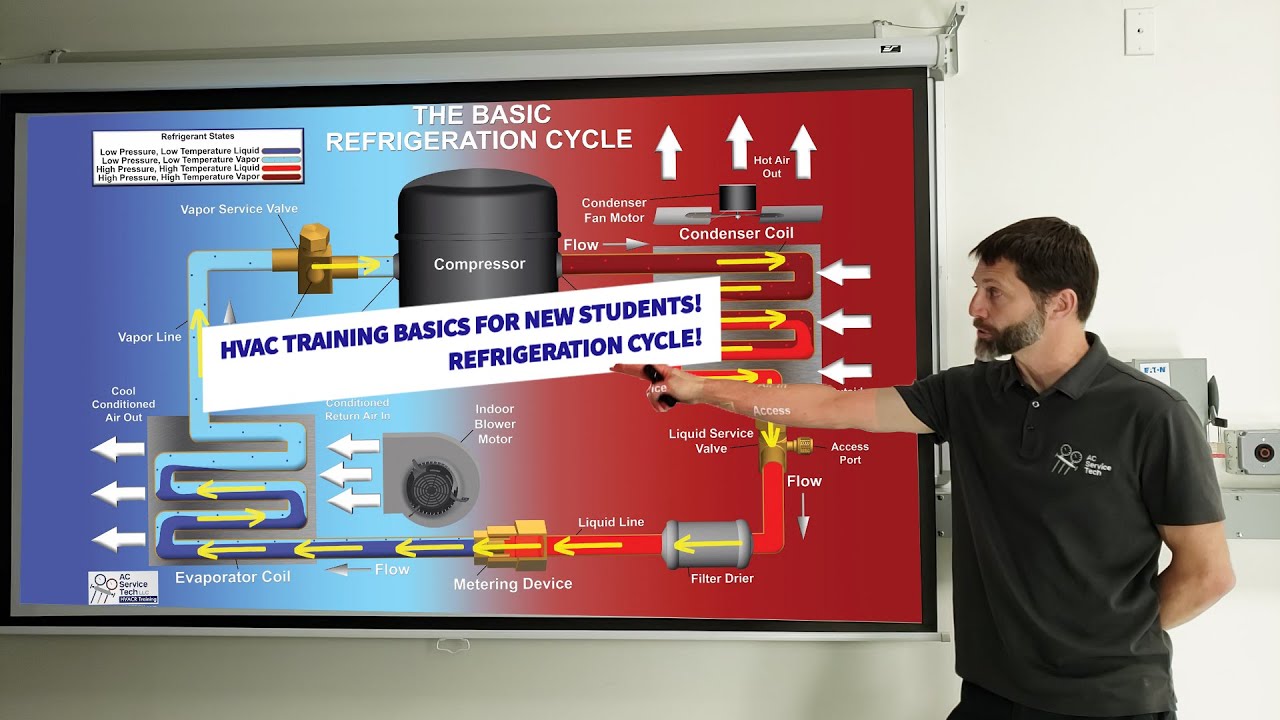
During a preventative air conditioning service, technicians typically perform the following critical tasks:
Filter Inspection and Replacement: Clogged filters restrict airflow, reduce efficiency, and degrade air quality. Regular replacement is fundamental. Coil Cleaning: Evaporator and condenser coils accumulate dirt and debris, hindering heat exchange. Cleaning these coils restores efficiency. Fan and Motor Inspection: Checking fan blades for damage and motors for proper operation, lubrication, and excessive noise. Drain Line Clearing: Ensuring condensate drain lines are clear to prevent blockages, leaks, and potential water damage. Refrigerant Level Check: Verifying appropriate refrigerant levels. Low levels indicate a leak, which requires immediate air conditioning repair and replenishment by a licensed technician. Electrical Connections and Components: Inspecting wiring, contacts, and capacitors for wear, corrosion, or damage to prevent electrical failures. Thermostat Calibration: Ensuring the thermostat accurately reads and controls the temperature for optimal comfort and energy use. Ductwork Inspection: Checking for leaks or damage in the ductwork, which can lead to significant energy loss.Detailed documentation of these checks and any identified issues provides a valuable history for future service and budgeting.
Air Conditioning Repair and Diagnostics
Despite the best preventative measures, sometimes air conditioning repair is necessary. Common signs that your system needs attention include unusual noises, strange odours, reduced cooling/heating capacity, frequent cycling, or unexplained spikes in energy bills. Prompt diagnosis and repair are crucial to prevent minor issues from escalating into major system failures.
Modern diagnostic tools, including thermal imaging cameras, refrigerant leak detectors, and advanced pressure gauges, enable technicians https://airconinstallationparramatta.com.au/split-system/ in 2025 to quickly and accurately pinpoint problems. Whether it's a faulty compressor, a refrigerant leak, or a control board issue, a qualified air conditioning repair specialist can restore your system's functionality efficiently.
Air Conditioning Installation and Upgrades
There comes a time when even the most diligently maintained system reaches the end of its operational life, or your office space undergoes significant changes. This is when new air conditioning installation becomes a necessity. Factors driving a new installation or upgrade include:
- System Age: Older units are often less efficient and more prone to breakdowns. Increased Capacity Needs: Office expansions or higher occupancy rates may require a more powerful system. Technological Advancements: Upgrading to a modern, energy-efficient system can provide significant long-term savings and improved performance. Regulatory Compliance: Newer systems often meet stricter environmental and energy efficiency standards.
Choosing the right air conditioning installation for your Parramatta office involves careful consideration of system type (ducted, split, VRF/VRV), capacity, energy ratings, and budget. Engaging a professional air con installer from the outset ensures the system is correctly sized, installed according to manufacturer specifications, and compliant with all local codes and standards.
Choosing the Right Air Conditioning Service Provider in Parramatta NSW
Selecting the right partner for your office air conditioning service is crucial. For businesses in Parramatta, look for a provider that offers:
- Local Expertise: A company familiar with Parramatta's climate and commercial building types will understand your specific needs. Qualifications and Licensing: Ensure technicians are fully licensed (ARC, electrical) and insured. Experience with Commercial Systems: Commercial HVAC systems are more complex than residential ones, requiring specialized knowledge. Comprehensive Service Offerings: From air conditioning installation and routine air conditioner maintenance to emergency air conditioning repair, they should cover all your needs. Transparent Pricing and Service Agreements: Clear contracts and upfront pricing prevent surprises. Prompt Response Times: Especially critical for emergency air conditioning repair, minimizing downtime for your business.
Future Trends in Office Air Conditioning (2026 and Beyond)
The HVAC industry is continuously evolving. Looking ahead to 2026 and beyond, businesses in Parramatta can expect to see:
- Smarter, Predictive Maintenance: AI and machine learning will further enhance predictive maintenance capabilities, allowing systems to self-diagnose and alert technicians to potential issues before they cause breakdowns. Enhanced Indoor Air Quality (IAQ): Beyond temperature, the focus will intensify on comprehensive IAQ solutions, including advanced filtration, UV-C light purification, and real-time monitoring of CO2, VOCs, and particulate matter. Greener Refrigerants: The industry will continue its transition to ultra-low GWP refrigerants, with natural refrigerants like CO2 and propane becoming more prevalent in certain applications. Full Building Integration: HVAC systems will become even more seamlessly integrated with other building management systems, security, and lighting for ultimate efficiency and occupant control. Decentralized Systems: A move towards more localized and modular HVAC solutions that offer greater flexibility and individual control, reducing energy waste in unused zones.
Embracing these advancements will not only lead to more sustainable and efficient operations but also create healthier and more appealing workspaces for the future.
In conclusion, a robust approach to office air conditioning service is indispensable for any business in Parramatta. By understanding the service requirements, adhering to Australian standards, prioritizing energy efficiency, and partnering with a reputable local provider, you can ensure your office environment remains comfortable, healthy, and productive year-round. Don't wait for a breakdown; invest in proactive air conditioner maintenance and strategic upgrades to safeguard your business operations today and into the future.